

How Close are we to Autonomous Cars?

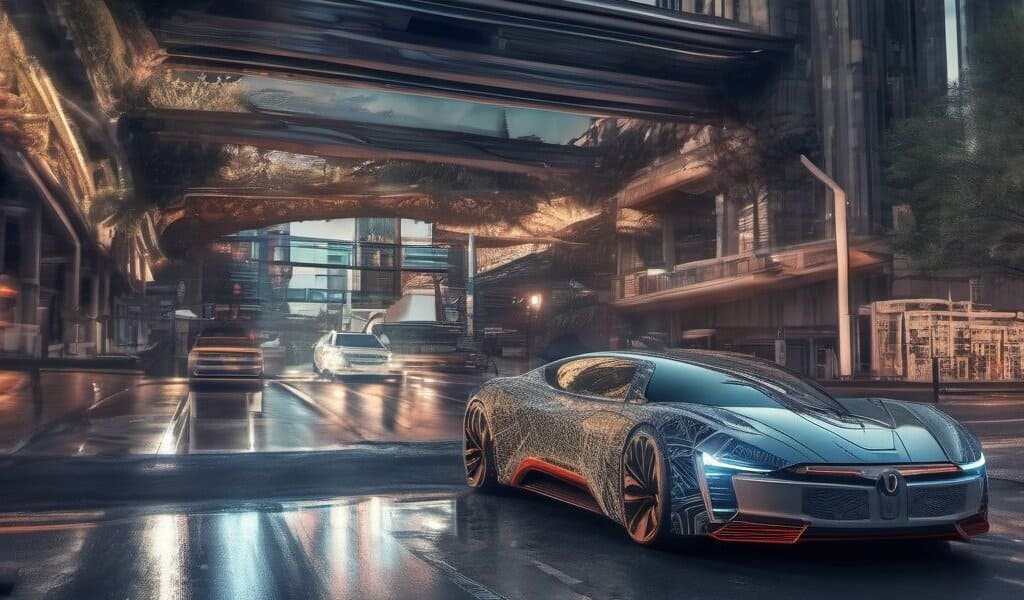
The dream of autonomous cars, also known as self-driving cars, has been a longstanding goal of the automotive industry. With rapid advancements in technology and significant investments in research and development, it’s essential to ask the question: How close are we to autonomous cars becoming a reality?
The Levels of Automation
Autonomous cars are often categorized into different levels of automation, ranging from Level 0 (no automation) to Level 5 (full automation). These levels help us understand the progress that has been made so far:
- Level 0 – No Automation: The driver is in full control of the vehicle. There is no automation in place.
- Level 1 – Driver Assistance: Basic features like cruise control and lane-keeping assistance are available, but the driver must remain engaged and monitor the vehicle at all times.
- Level 2 – Partial Automation: This level introduces more advanced features, such as adaptive cruise control and lane-centering, but the driver is still required to be ready to take control at any moment.
- Level 3 – Conditional Automation: At this level, the car can manage most driving tasks, but the driver may need to intervene if the system requests. This is often referred to as “hands-off, eyes-off” driving in certain conditions.
- Level 4 – High Automation: The vehicle can operate autonomously in specific conditions, such as on highways or in designated areas, but may require a human driver for certain situations.
- Level 5 – Full Automation: The vehicle is capable of complete autonomy in all conditions without any need for human intervention. There is no steering wheel or pedals, and the vehicle can operate in any environment.
The Current State of Autonomous Driving
As of my last knowledge update in September 2021, we have seen significant advancements in autonomous driving technology. Companies like Waymo, Tesla, and General Motors’ Cruise have made substantial progress in testing and deploying autonomous vehicles. However, it’s important to note that Level 5 automation, where a car can operate completely independently in all conditions, remains an elusive goal.
The challenges to achieving Level 5 automation include:
- Safety Concerns: Ensuring that autonomous cars can safely navigate unpredictable real-world situations remains a significant challenge. Autonomous vehicles need to recognize and respond to various road conditions, weather, and unexpected events.
- Regulatory Hurdles: Regulations and laws related to autonomous vehicles vary from place to place. Developing a cohesive regulatory framework that accommodates the technology while ensuring public safety is an ongoing challenge.
- Infrastructure Support: The deployment of autonomous vehicles may require significant infrastructure upgrades, including improved road markings, communication networks, and sensor-equipped roads.
- Ethical and Liability Issues: Determining liability and ethical considerations in the event of accidents or system failures is a complex matter.
The Road Ahead
While we may not have fully autonomous cars available for everyday use just yet, the industry is making steady progress. Expect to see more Level 2 and Level 3 automation features in new vehicles, making driving safer and more convenient. Additionally, autonomous shuttles and taxis are being tested and deployed in select cities, offering a glimpse into the future of autonomous mobility.
As technology continues to advance and regulators work to create a framework for safe deployment, the day when autonomous cars become a common sight on our roads draws closer. However, it’s crucial to remain patient and vigilant as we navigate the complexities and challenges of this transformative technology.
In conclusion, we are closer than ever to autonomous cars, with partial automation becoming more prevalent in new vehicles. However, the realization of Level 5 full automation, where humans can completely hand over control to the vehicle, may still be a few years away. The road to autonomous driving is an exciting journey, filled with promise and possibilities, and we should stay tuned for further developments in this ever-evolving field.